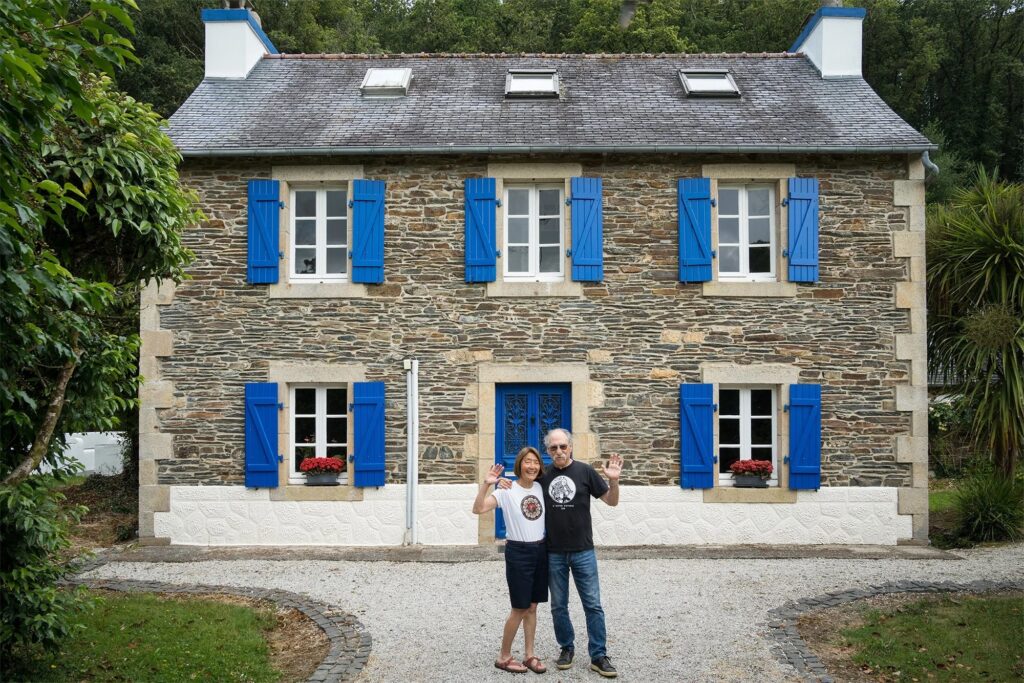
My friends Barbara and Joe recently returned to the US after four years of living in Lyon. They loved their time there and recently wrote a book about their experiences.
Lyon is one of those cities that many tourists never visit, yet it is rich in things to see and do. I asked Joe and Barbara to give us an introduction to the city, and tell us about their experience of moving to another country.
Why did you choose Lyon?
Lyon was already familiar to us, as we had traveled there several times. We were looking for a place where we could walk or take public transportation, as we didn’t want to own or lease a car. We also wanted to be near the outdoor activities we love – hiking and biking. Lyon is a big city with a smaller city feel. So, it has lots of cultural activities, a wonderful transportation system, fabulous restaurants and cafes, small shops and fabulous farmers’ markets, but it doesn’t feel hectic like Paris and isn’t overly touristy.
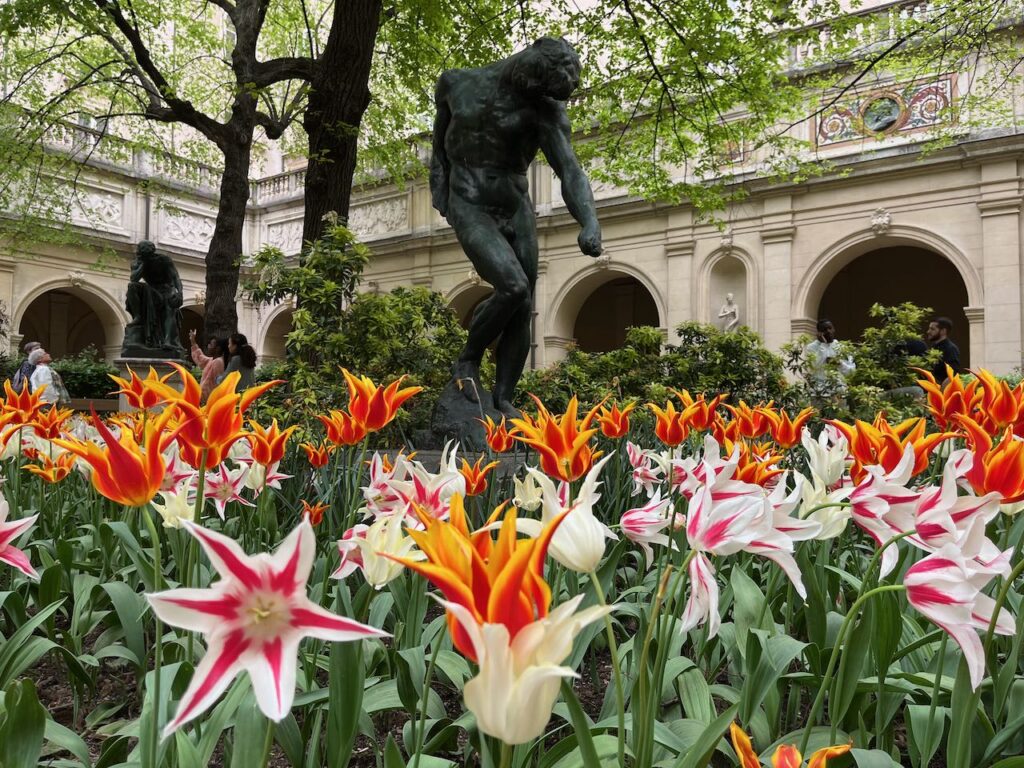
Musée des Beaux Arts
What is your favorite part of the city?
It’s probably a toss-up between the 2eme and 6eme arrondissements. The 2eme is where we rented our favorite apartment. It’s thought of as where the old, established Lyonnais families live; however, it doesn’t at all feel “stuffy.” It is on the Presqu’île (peninsula) of the city, between the Rhône and Saône rivers. From the Saône side, it’s very easy to walk up many flights of steps to Fourvière Hill with its imposing Basilica hovering above Lyon. There is a great farmers’ market on both Saturday and Sunday along the Saône. From the Rhône side there’s a wonderful esplanade for walking or biking all the way south to the confluence of the two rivers.
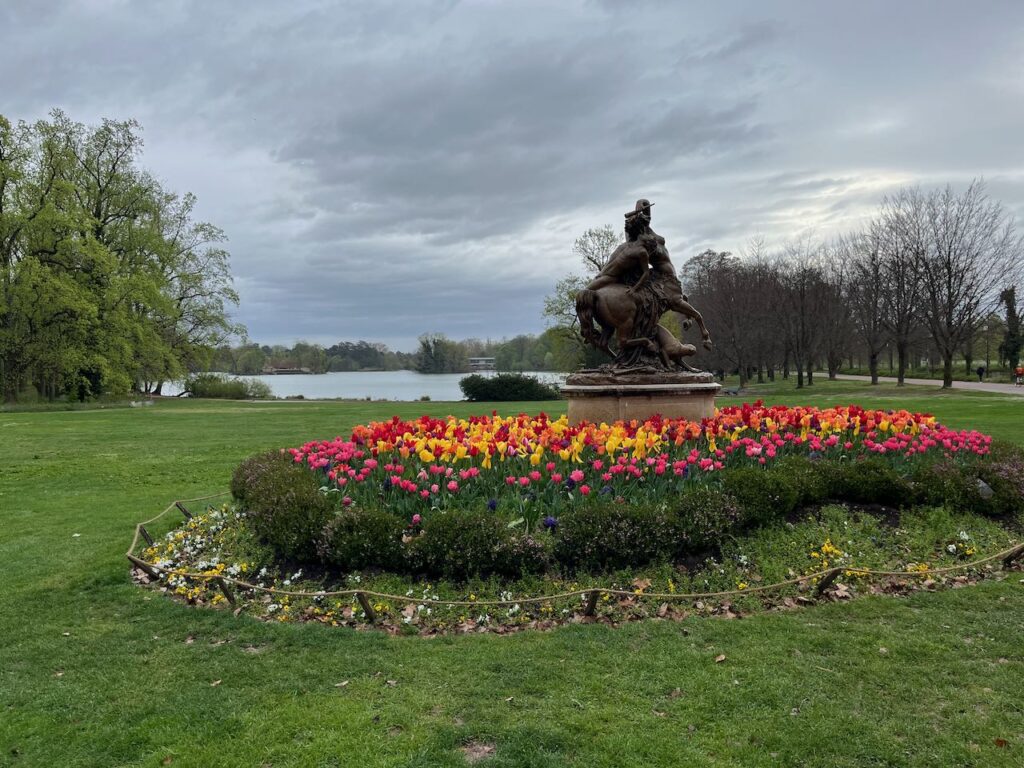
Le Parc de la Tête d’Or
The 6eme arrondissement is perhaps the wealthiest in the city. Its crown jewel is the Parc de la Tête d’Or, which is a gem in any season. The 6eme is perhaps the easiest place in which to live, as there are many shops, restaurants and cafes all in a very walkable area.
What are some of your favorite things to do in Lyon?
We love walking and stopping off for a coffee or glass of wine. We also enjoy just wandering around and discovering hidden doorways, courtyards, small museums, neighborhood parks. Frequenting neighborhood shops and going to the farmers’ markets for super fresh produce is divine.
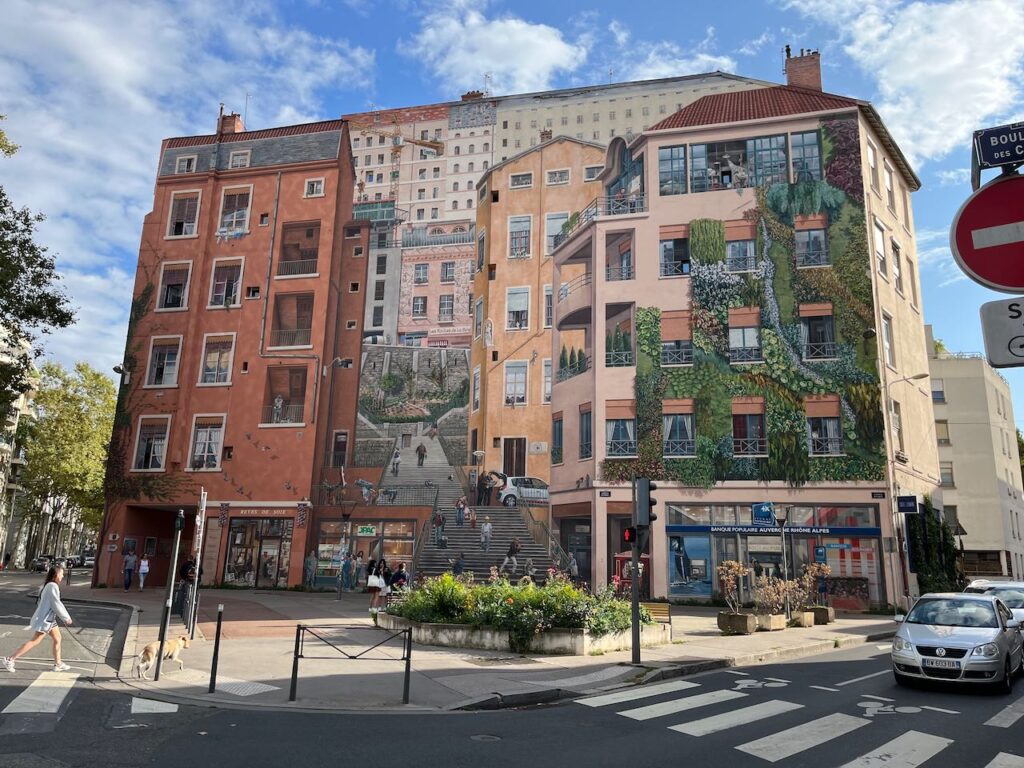
Le Mur des Canuts (it’s a trompe-l’œil — the wall is completely flat)
Did you have favorite restaurants or cafés?
Three restaurants come to mind:
La Petite Auberge (https://lapetiteaubergelyon.fr/) We particularly like going here in nice weather and sitting out on the patio.
Têtedoie (https://tetedoie.fr/) This is three restaurants in one building. We have eaten at the Bistro and the Rooftop, but haven’t yet tried the Michelin-starred restaurant – the next time!
The food is fabulous and the views out over Lyon are superb.
Table et Partage (https://table-et-partage.com/) A terrific restaurant in a slightly unusual location in the city. The service is impeccable, it’s quiet and the food is delicious!
Our favorite café is Momento in Croix Rousse (https://momento-coffee.fr/). Their coffee rivals the best we have had in Italy. It also has a nice ambiance with both inside and outside seating.
What are some lesser-known parts of Lyon that you really love?
We really enjoy getting bikes from the city-wide bike sharing program and riding beside the Rhône north of the Parc de la Tête d’Or. There are a number of long bike/walking paths all over the city.
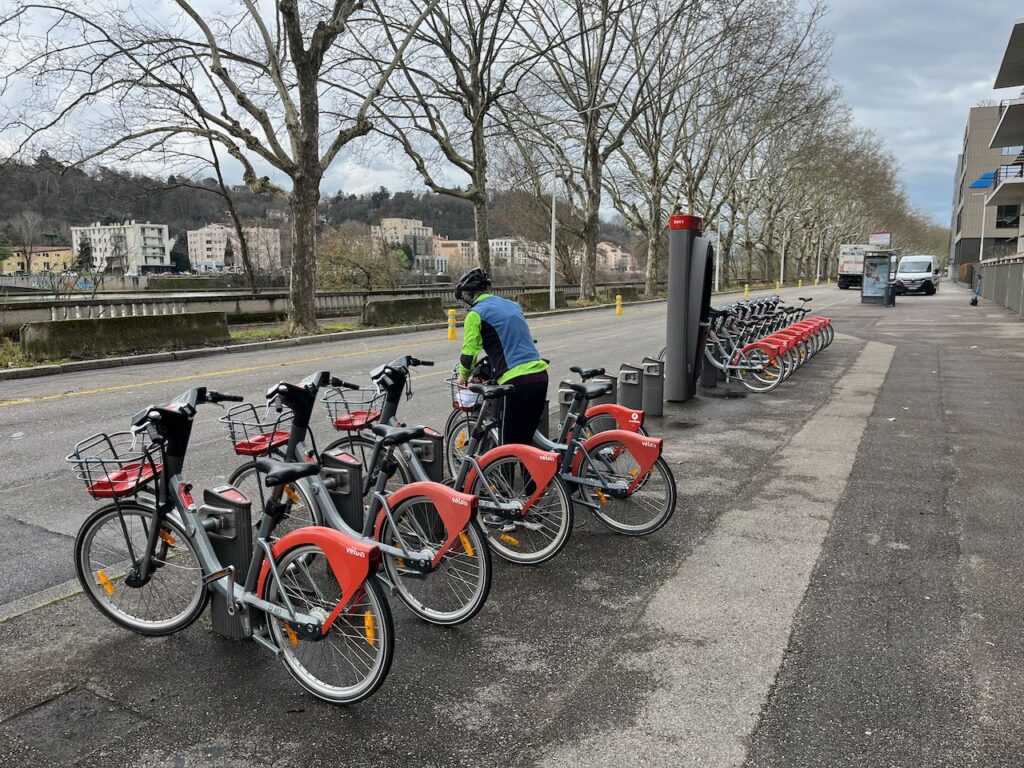
City-wide bike sharing program
We also love (although it’s challenging!) climbing up the many stairways that are ubiquitous in Lyon and wandering up to the two prominent hills – Fourvière and the Croix Rousse.
Lyon has a topnotch auditorium to hear classical music (https://www.auditorium-lyon.com/en/programmation). They attract some of the best musicians in the world and tickets are very reasonably priced.
Two events that are well worth attending are:
Les Nuits de Fourvière (https://www.nuitsdefourviere.com/)– An annual dance, music and theater program held each summer at various venues around the city.
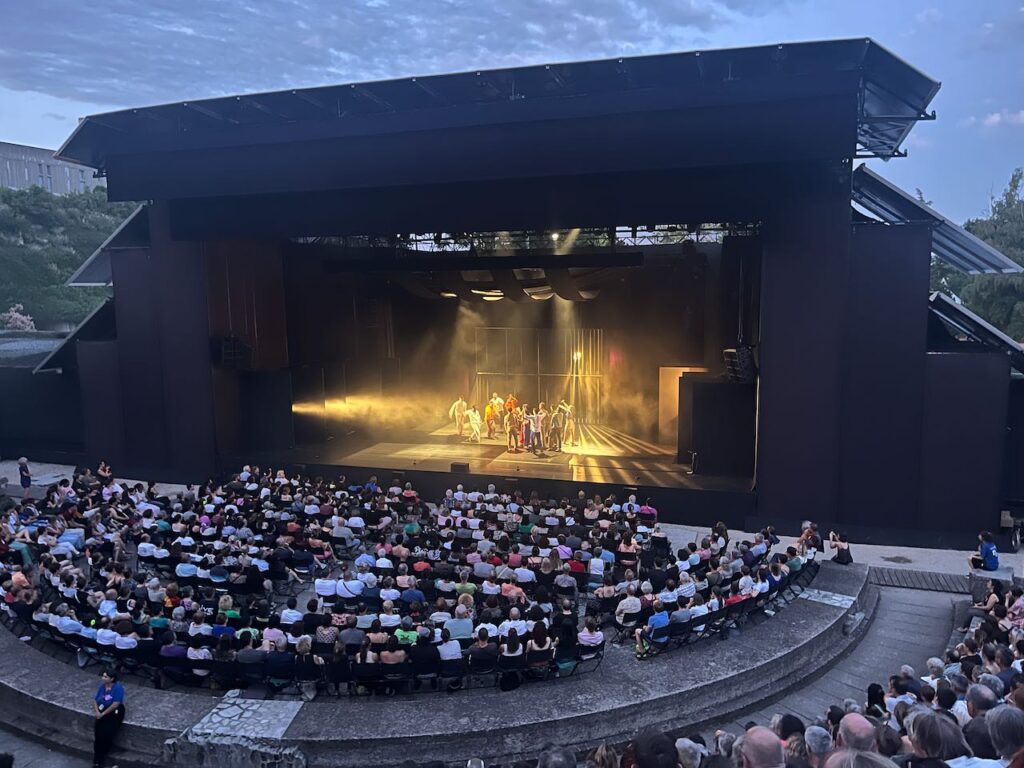
Les Nuits de Fourvière performance in the Roman amphitheater
La Fête des Lumières (https://www.fetedeslumieres.lyon.fr/en) – An annual lights festival that takes place for four days around December 8th, with creative, inspiring, wild light displays all over the city. This has become a very popular attraction that brings people from all over the world.
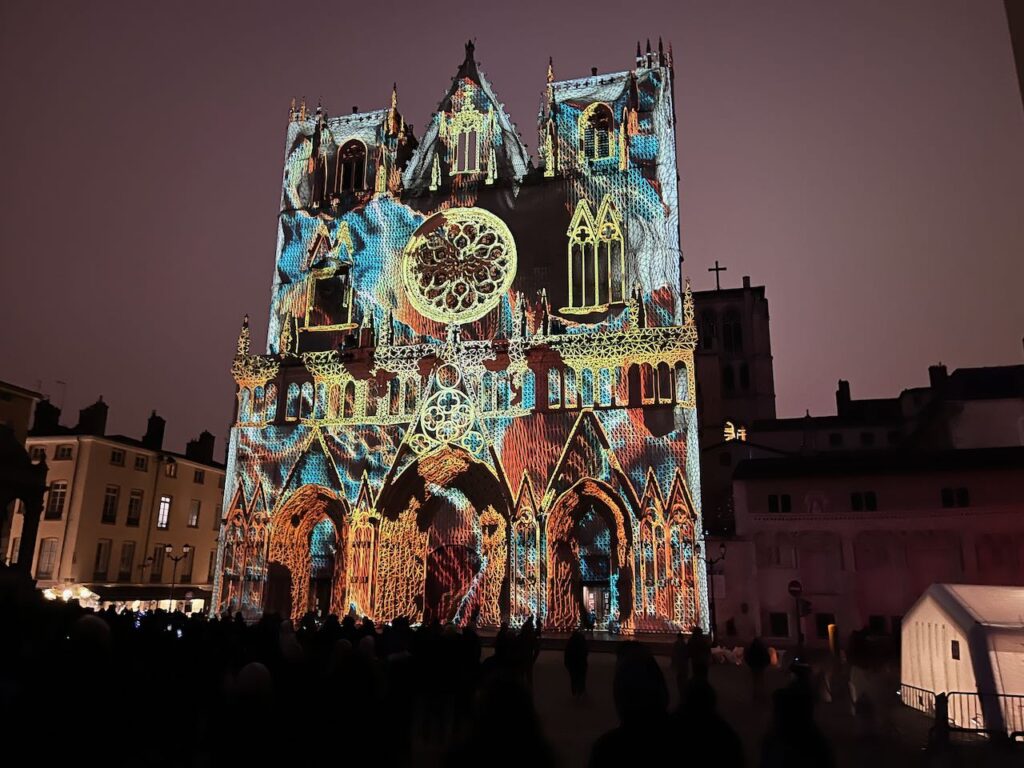
La Fête des Lumières
What was it like to move to another country?
It was both life-changing and also a lot of work! Luckily, we both speak French, we knew Lyon before we moved there and we had a French friend who graciously introduced us to some of his closest friends. We were sometimes discouraged by the bureaucracy (enrolling in the French health system, getting a driver’s license, renewing our visas). However, we also loved and now miss the slower pace of life, savoring time with friends, wandering around without an agenda and gaining greater fluency and comfort with the language.
What advice would you give to someone who is considering moving abroad?
- Make a list of your priorities for the kind of environment in which you want to live and the things you like to do.
- Visit a number of places and compare them with your list. Which place(s) check off the most boxes for you?
- Actively engage with locals and learn some of the language. People love to share their community, their culture and the best places you may not discover on your own.
- Make friends. This is often not easy as in general people already have their circles of friends and family with whom they spend their spare time. The French are much more reticent to open themselves up to people they don’t know, but once you make friends with a French person, they are friends for life. For this reason, don’t take friendships with French people lightly. Here are a few suggestions:
- Put an ad on NextDoor stating that you are looking for conversation partners.
- Join a club for the things you like to do. Hiking, biking, climbing, playing music or singing in a choir, flying gliders or light aircraft, Toastmasters, book clubs, film clubs, just to name a few. The list of clubs is endless.
- Volunteer for an association. Associations play a huge part in the lives of the French; there are 1.4 million associations in France.
- Don’t give in to finding other Anglophones to hang out with. Many French people will offer to introduce you to Anglophone friends, but if you spend your time plugged into the ex-pat Anglophone community you will always remain apart from French society.
- Give yourself some time. Take breaks. Breathe. It can be quite overwhelming, stressful and frustrating to move to a new home.
- Try to let go of, “But in ________________(your previous home) we do things like this…” It may be true, but it doesn’t really matter, because you’re not there any more!
If you’d like to learn more about Barbara and Joe’s experiences in Lyon, check out their excellent book Finding Our Way in France.